 CalcKit
Circular Sector Calculator




Table of Contents
Circular sector definition
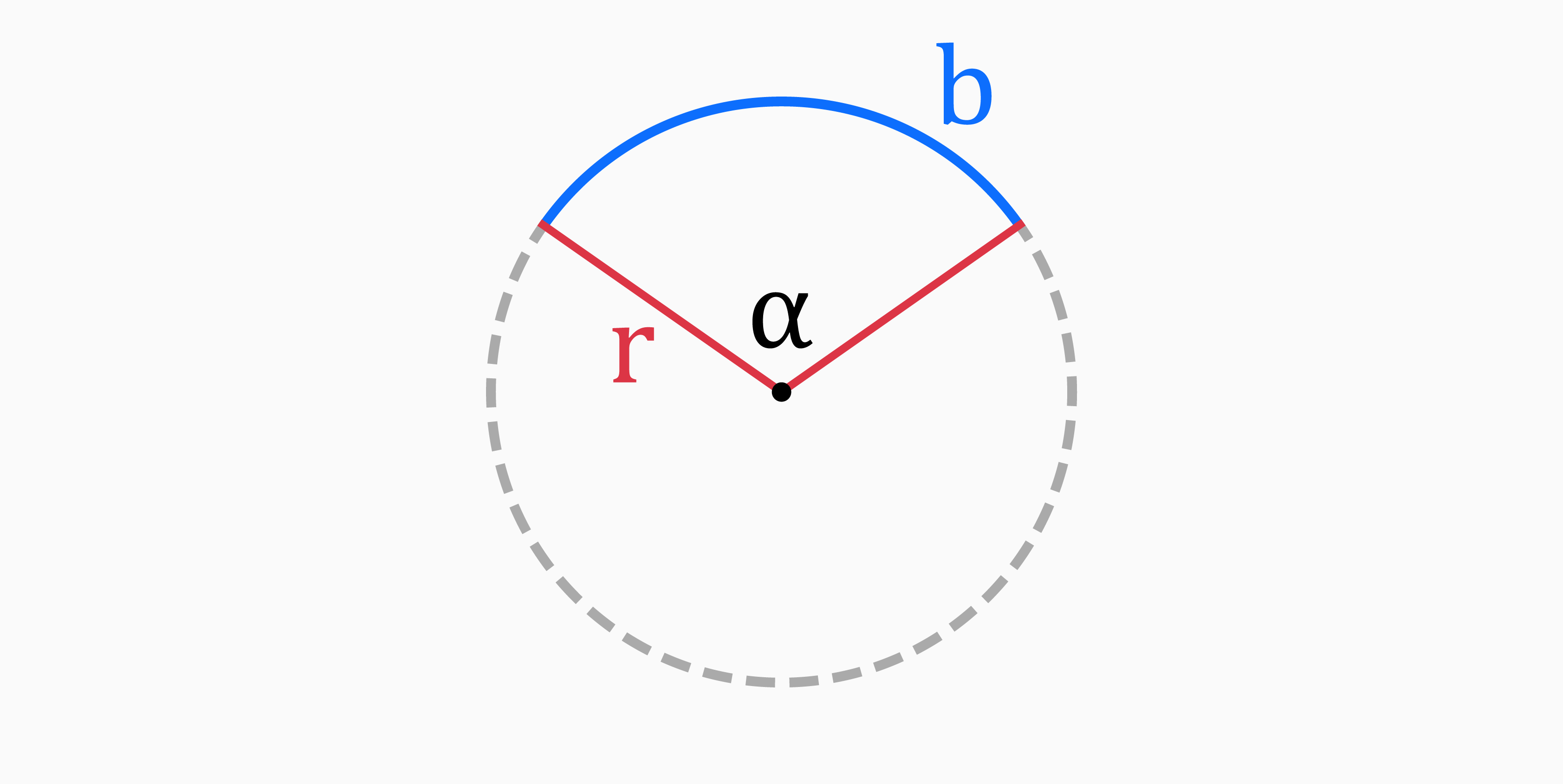
A circular sector, or circle sector, is a portion of a circle enclosed between two radii and an arc, like a slice of pizza or a fan.
In other words, it is a part of a circle that is bounded by two radii and an arc, where the arc is a fraction of the circumference of the circle.
The angle formed by the two radii that bound the sector is called the central angle of the sector.
Parts of a circular sector
The five main parts of a circular sector are radius (r), arc length (b), central angle (α), area (A) and perimeter (P).
Radius (r)
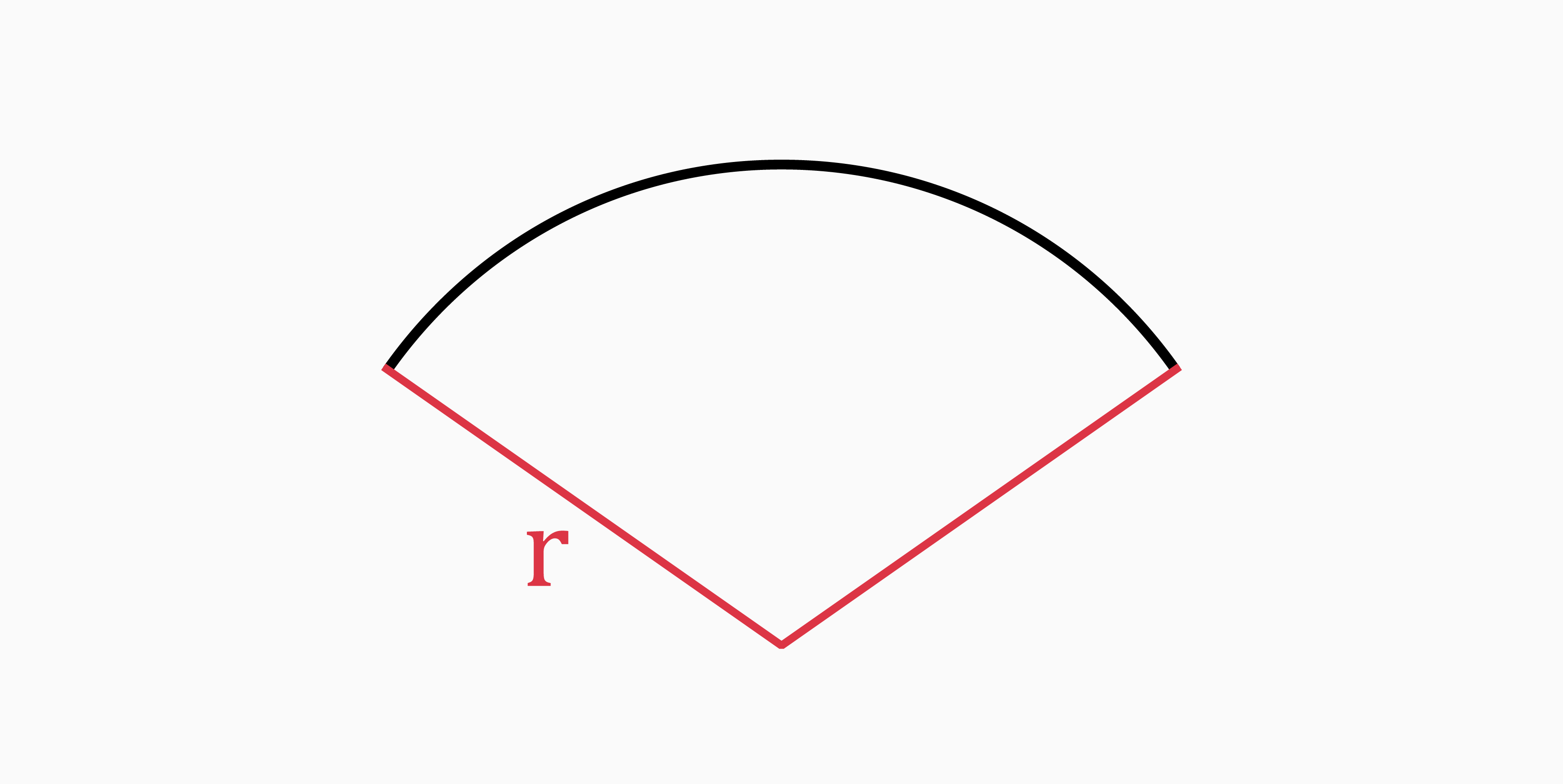
The radius of a circular sector is a straight line from the center of the circle to the circumference. It is usually denoted by "r". It can be found with the following formulas:
-
If you know the central angle and arc length:
r = b / α(when α is in radians)r = b / α * (180 / π)(when α is in degrees) -
If you know the arc length and perimeter:
r = (P - b) / 2 -
If you know the arc length and area:
r = 2 * A / b -
If you know the area and central angle:
r = √(2 * A / α)(when α is in radians)r = √(2 * A / α * (180 / π))(when α is in degrees)
Arc length (b)
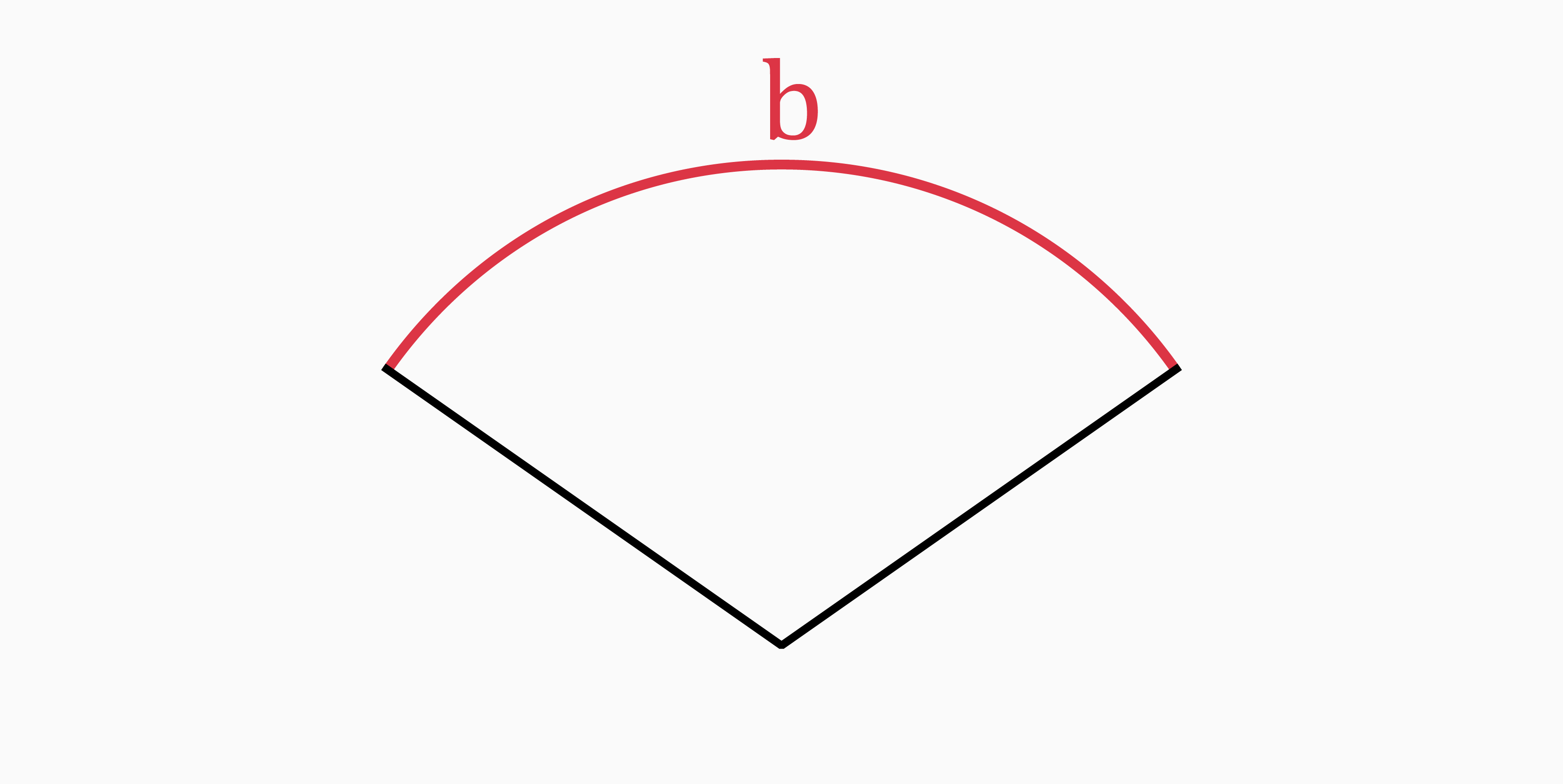
The arc length of a circular sector is the portion of the circumference that makes up the sector. In our tool it is denoted by "b".
You can determine it with these formulas:
-
If you know the radius and central angle:
b = r * α(when α is in radians)b = r * α * (π / 180)(when α is in degrees) -
If you know the radius and area:
b = 2 * A / r -
If you know the radius and perimeter:
b = P - 2 * r
Angle (α)
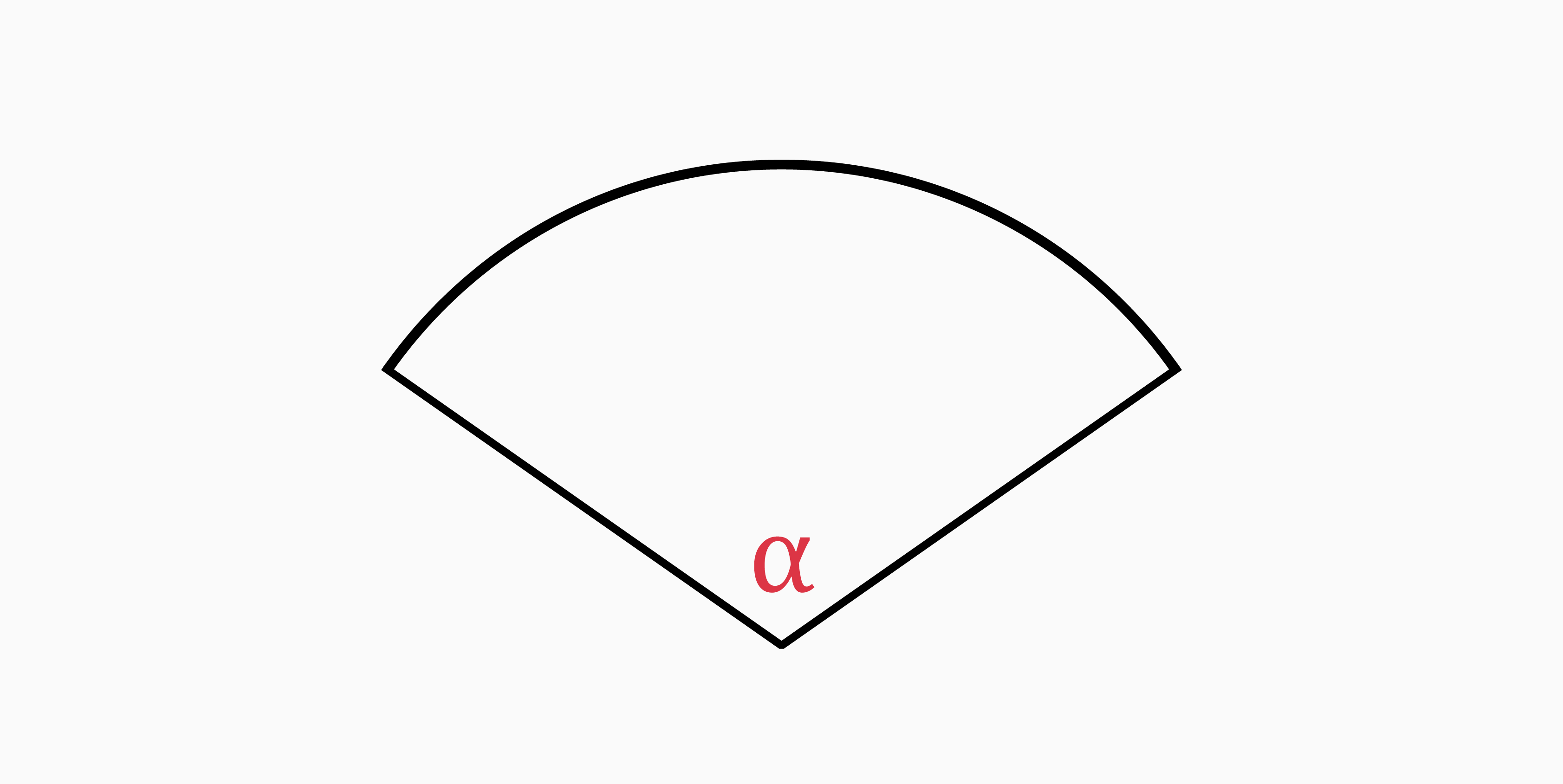
The angle of a circular sector, denoted by "α", is the central angle formed by two radii of a circle that define the boundaries of the sector. The size of the angle determines the size of the sector: the larger the angle, the larger the sector.
If you know the radius and arc length, you can calculate it as follows:
α = b / r (in radians)
α = b / r * (180 / π) (in degrees)
Area (A)
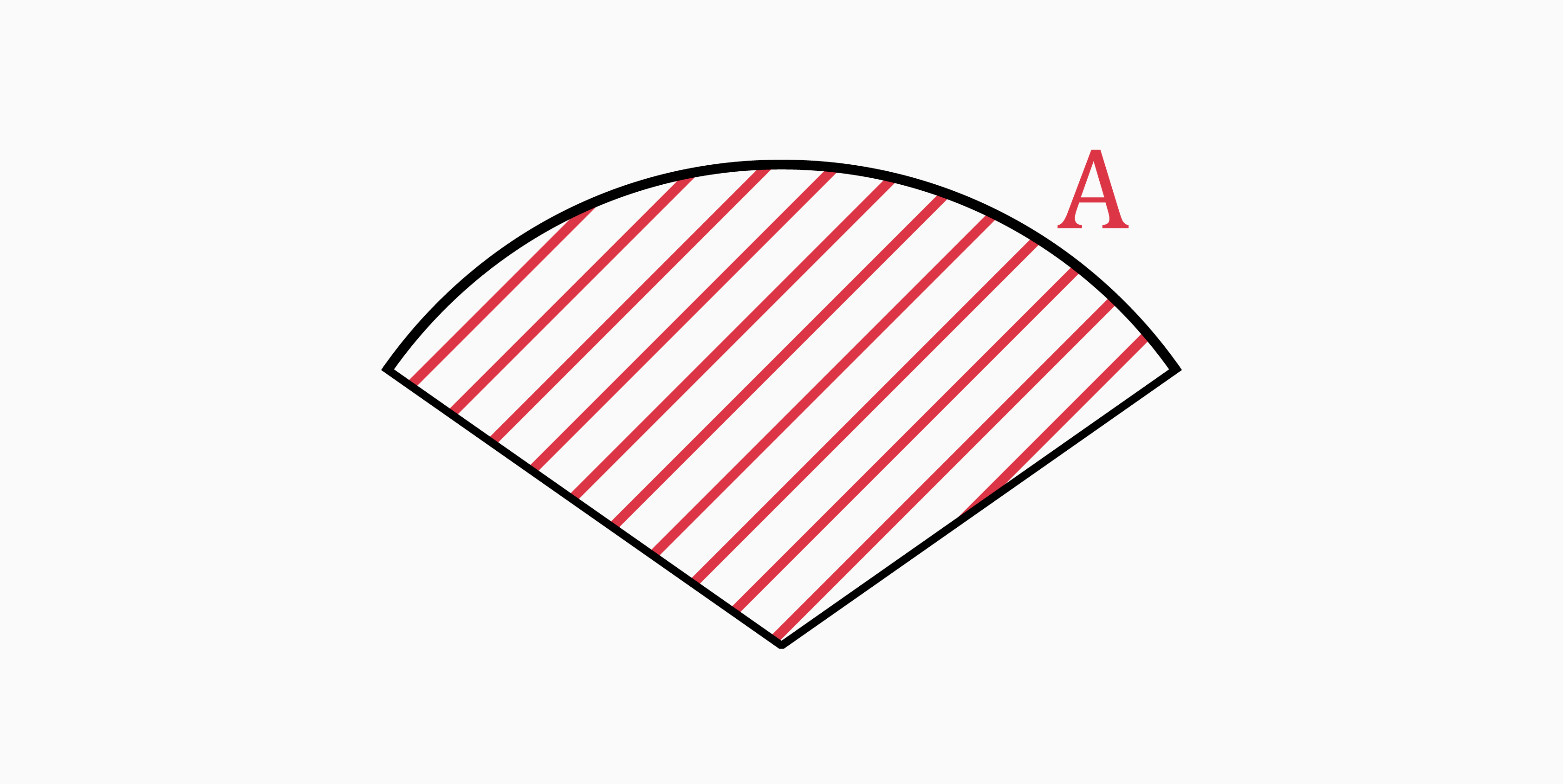
The area of a circular sector is the region enclosed by the sector. To find the area of a circular sector, you can use the following formulas:
-
If you know the radius and arc length:
A = b * r / 2 -
If you know the radius and central angle:
A = α * r² / 2(when α is in radians)A = α * r² / 2 * (π / 180)(when α is in degrees)
Perimeter (P)
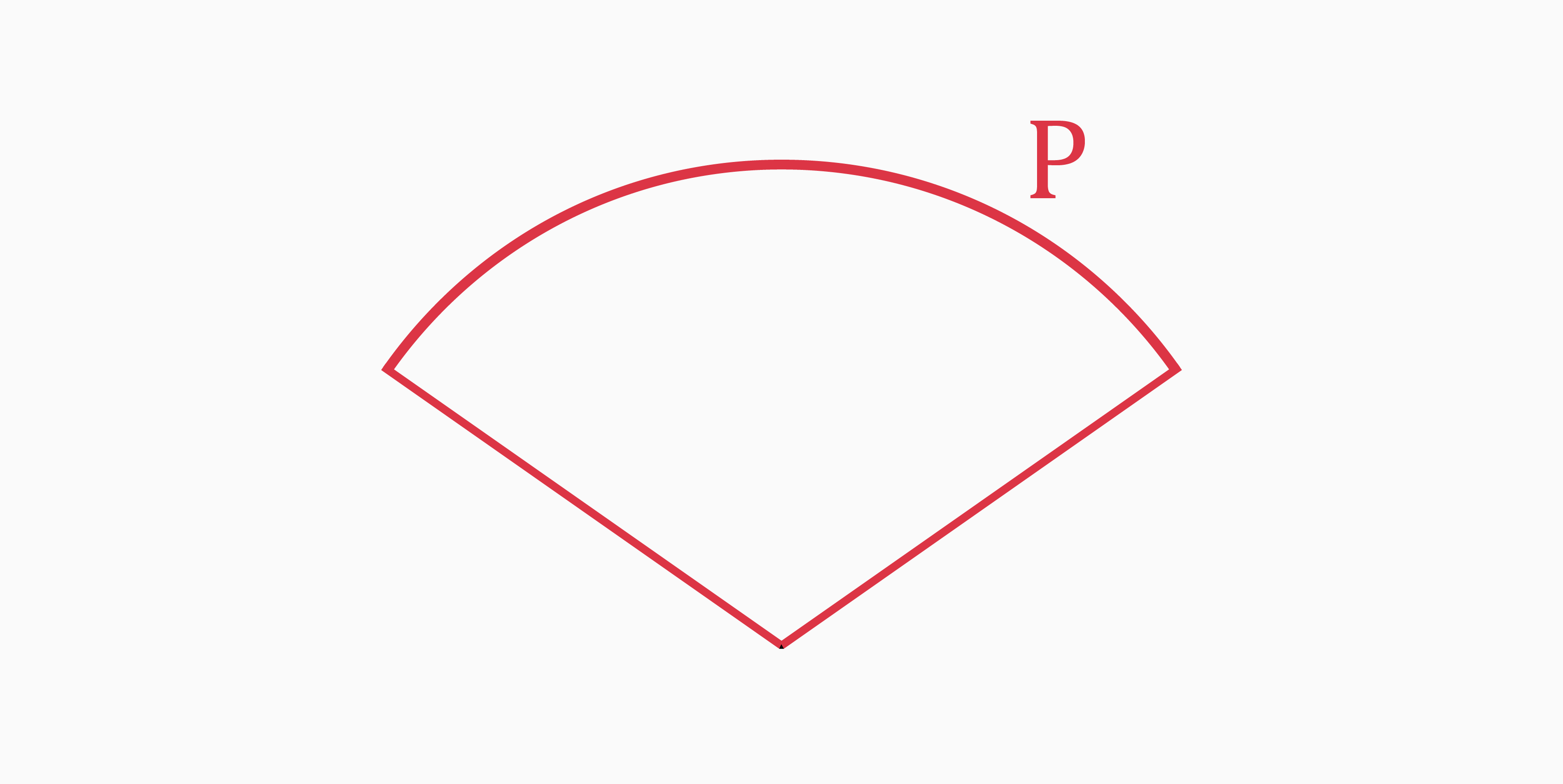
The perimeter of a circular sector is the distance around the edge of the sector which is formed by an arc and two radii. It is usually denoted by "P".
The formula to calculate the perimeter of a circular sector is given by:
P = 2 * r + b
Example
A sector with a radius of 9 and a central angle of 40°:
-
Arc length:
b = 9 * 40 * π / 180 = 6.283 -
Area:
A = 40 * 9² / 2 * π / 180 = 28.27 -
Perimeter:
P = 2 * 9 + 6.283 = 24.28
A sector is that fraction of the whole circle: 40° is 40 / 360 = 1/9 of it, so its area is a ninth of the circle's π * 9² = 254.5.
Frequently asked questions
How do you find the angle of a sector from its arc length?
Divide the arc length by the radius, which gives the angle in radians, then multiply by 180 / π for degrees: α = b / r * 180 / π. An arc of 6 on a radius of 9 is 6 / 9 * 180 / π = 38.2°.
What is the difference between a sector and a segment?
A sector is cut by two radii from the center. A segment is cut off by a chord, a straight line between two points of the circle. Segments have their own Circular Segment Calculator.